Designing a Comfortable Natatorium with Advanced Dehumidification
Understanding the Importance of Dehumidification in Natatoriums
The Role of Humidity Control in Indoor Pools
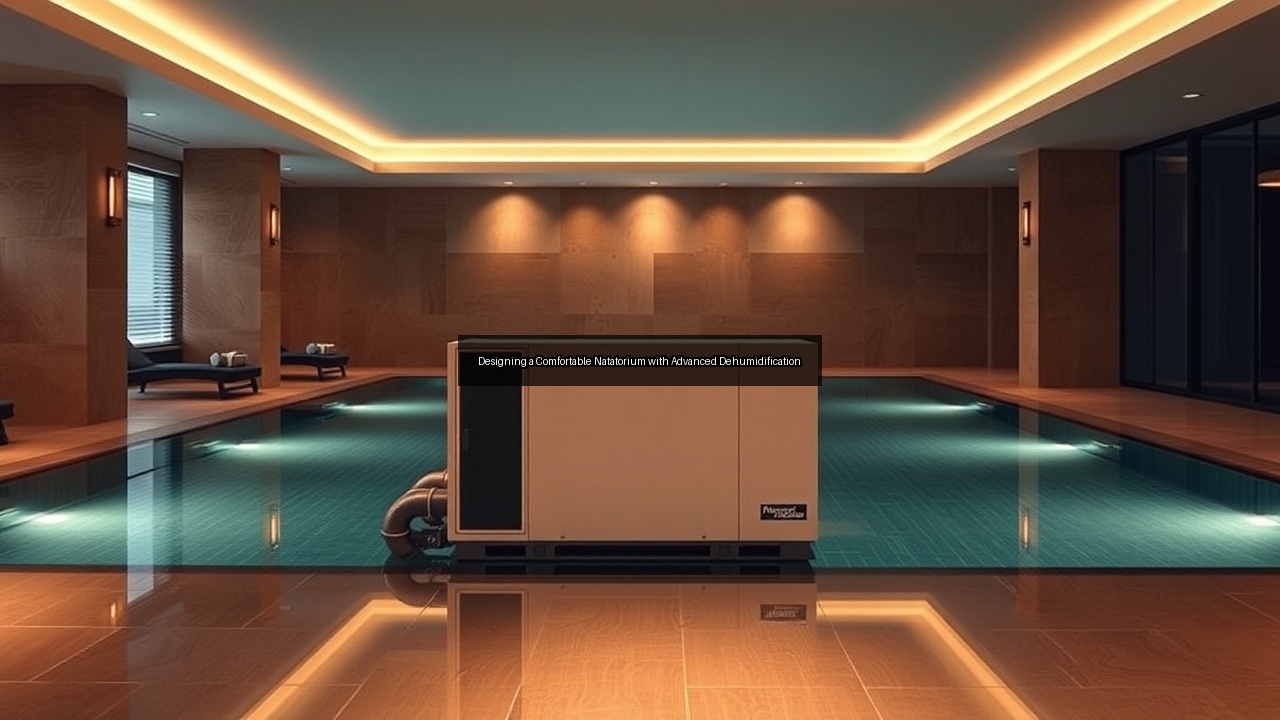
Hotel operators rely on precise humidity control to maintain comfortable conditions around indoor swimming pools. Excess moisture from evaporation creates sticky air that discourages guests from lingering near the water. A properly sized hotel swimming pool dehumidifer pulls vapor from the space and returns drier air to the room. This process keeps surfaces clear of condensation and protects structural elements from corrosion. Staff members schedule regular checks on the dehumidification unit to confirm it matches seasonal load changes. When humidity stays within target ranges, swimmers enjoy clearer air and reduced chlorine odors. Facility managers integrate sensors that feed real-time data to the central HVAC system, allowing automatic adjustments without manual intervention. Guests notice the difference immediately because the space feels fresh rather than oppressive. Effective humidity control also supports better air quality by limiting mold growth on walls and ceilings. Hotel brands that invest in this level of control report higher guest satisfaction scores and fewer complaints about pool-area comfort.
Effects of Excess Humidity on Swimming Pool Environments
Unchecked moisture damages finishes, warps wood, and promotes bacterial growth in natatoriums attached to hotels. Metal fixtures corrode faster when relative humidity exceeds recommended levels, leading to costly repairs. Swimmers experience breathing discomfort as airborne chloramines concentrate in humid conditions. A dedicated hotel pool dehumidifier reduces these risks by extracting water vapor before it settles on surfaces. Without intervention, windows fog constantly and floors stay slick, creating slip hazards. Energy costs climb because the HVAC system works harder to compensate for latent loads. Property owners who ignore these effects face premature equipment failure and negative online reviews. Consistent dehumidification protects both the building envelope and the guest experience. Staff training programs emphasize early detection of rising humidity so teams can activate backup units quickly. Proactive management prevents small moisture problems from escalating into major renovations.
ASHRAE Standards for Indoor Pool Dehumidification
ASHRAE guidelines establish clear targets for temperature and humidity in indoor pools to ensure occupant comfort and equipment longevity. Designers reference these standards when selecting a hotel swimming pool dehumidifer for new construction or renovations. The recommendations specify dew-point limits that keep condensation off glass and structure while supporting energy-efficient operation. Compliance requires coordination between the dehumidification unit and the overall HVAC system. Engineers calculate evaporation rates based on pool surface area, water temperature, and activity levels before finalizing equipment capacity. Hotels that follow ASHRAE protocols demonstrate commitment to guest safety and operational efficiency. Documentation of setpoints and performance data helps during inspections and warranty claims. Regular audits confirm that systems continue to meet the standard as occupancy patterns shift. Adherence also supports sustainability goals because properly tuned equipment avoids wasteful overcooling or reheating cycles.
Choosing the Right Dehumidification Systems for Hotels
Types of Air Dehumidifiers Suitable for Hotel Swimming Pools
Hotel properties select from several air dehumidifier configurations based on pool size and available space. Refrigerant-based units cool air below its dew point and reheat it before distribution, delivering precise moisture removal. Desiccant wheels offer an alternative when lower humidity targets are required or when waste heat is available for regeneration. Packaged rooftop units combine dehumidification with ventilation in a single cabinet, simplifying installation for mid-size hotel pools. Split systems allow the noisy compressor to sit away from guest areas while the air handler remains inside the natatorium. Each option integrates with existing HVAC infrastructure to maintain consistent climate control. Facility teams evaluate noise ratings and service access before committing to a model. Manufacturers provide selection software that matches capacity to calculated loads from the indoor pool. The right choice balances first cost, operating expense, and long-term reliability for hospitality environments.
Evaluating Energy Efficiency in Dehumidification Units
Energy efficiency ratings guide purchasing decisions for hotel pool dehumidifier equipment. Higher coefficients of performance mean lower electricity consumption during peak summer months. Variable-speed compressors and fans adjust output to match actual moisture loads instead of running at full capacity continuously. Heat recovery coils capture energy from the dehumidification process and redirect it to pool water or supply air, reducing overall demand on boilers and chillers. Managers review utility data after installation to verify projected savings materialize. Incentives from local utilities often offset premium costs for high-efficiency models. Lifecycle cost analyses include filter changes, refrigerant top-offs, and expected service intervals. Efficient units also produce less waste heat, easing the burden on the central HVAC system. Hotels that prioritize these metrics lower operating expenses while maintaining guest comfort in the indoor swimming pool area.
Refrigerants and Their Impact on Climate Control
Modern refrigerants in hotel swimming pool dehumidifer systems balance performance with environmental responsibility. Low-global-warming-potential options reduce regulatory risk as older compounds face phaseouts. Technicians must handle these fluids according to strict recovery protocols to prevent atmospheric release. Proper charge levels ensure the dehumidification unit maintains design capacity without excessive compressor strain. Facilities track refrigerant usage in maintenance logs to demonstrate compliance during audits. Newer blends also improve heat transfer, allowing smaller equipment footprints inside mechanical rooms. Climate control stability improves when the refrigerant circuit operates within manufacturer tolerances. Hotels planning equipment upgrades consult with certified contractors to select future-proof refrigerants that align with corporate sustainability targets. This forward approach protects both guest comfort and long-term operational budgets.
Design Considerations for Comfortable Natatoriums
Integrating HVAC Systems for Optimal Indoor Climate
Successful natatorium projects coordinate the dehumidification unit with the broader HVAC system to deliver uniform conditions. Supply air diffusers direct conditioned air across windows and exterior walls to eliminate cold spots. Return air paths capture humid air near the pool surface before it migrates into adjacent corridors. Controls integrate temperature, humidity, and occupancy sensors so the system responds automatically to changing guest loads. Hotel engineering teams commission these sequences during startup to confirm stable operation. Proper integration prevents short-cycling and extends equipment life. Airflow patterns also influence sound levels, so designers locate equipment away from guest seating areas. The result is a balanced indoor climate that supports swimming, lounging, and social activities without noticeable drafts or stagnant zones.
Designing with Energy Recovery in Mind
Energy recovery wheels or heat pipes transfer sensible and latent energy between exhaust and incoming air streams in hotel pool applications. This approach preconditions outside air and reduces the load on the primary dehumidification unit. Engineers size recovery devices to handle peak ventilation requirements without sacrificing moisture removal performance. Payback periods shorten when utility rates are high or when the hotel operates the pool year-round. Maintenance access remains essential so wheels can be cleaned and belts inspected regularly. The strategy supports corporate energy goals while preserving guest comfort. Facilities often monitor recovery effectiveness through building automation platforms that trend temperature and humidity before and after the device. Consistent performance data helps justify future capital investments in similar technology.
Creating a Guest-Centric Experience in Indoor Pools
Guest comfort drives every design choice around a hotel swimming pool dehumidifer installation. Lighting, acoustics, and air movement combine to create an inviting atmosphere rather than a utilitarian space. Subtle airflow prevents the sensation of stagnant air without creating noticeable drafts across wet skin. Clear sightlines and intuitive wayfinding encourage guests to move between the pool deck and lounge areas. Background music systems and comfortable seating further enhance the experience when humidity stays controlled. Feedback from frequent visitors helps refine setpoints and identify minor adjustments. Hotels that treat the natatorium as a premium amenity rather than an afterthought see increased usage and stronger brand loyalty. The dehumidification system operates in the background, delivering reliable comfort that guests associate with quality hospitality.
Maintenance and Management of Dehumidification Systems
Routine Maintenance for Longevity of Hotel Pool Dehumidifiers
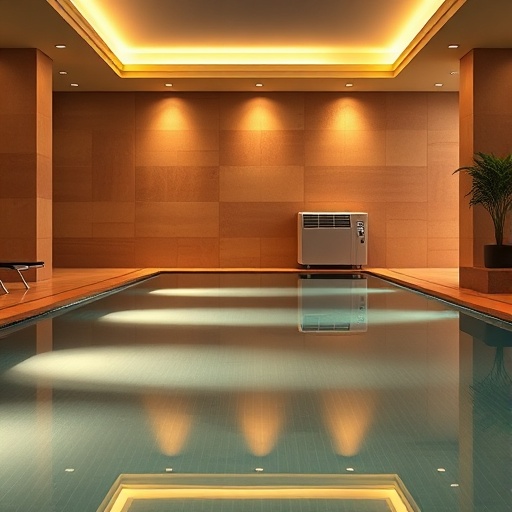
Preventive maintenance schedules keep hotel pool dehumidifier equipment running efficiently throughout its service life. Technicians replace filters on a quarterly basis to maintain airflow and protect coils from dust accumulation. Coil cleaning removes scale and biofilm that reduce heat transfer effectiveness. Belt tension checks and bearing lubrication prevent unexpected downtime during peak occupancy periods. Annual refrigerant leak tests ensure the system continues to meet performance specifications. Detailed service records support warranty claims and help forecast replacement timelines. Property managers coordinate these tasks with pool maintenance so the space remains available to guests. Consistent attention to these procedures protects the initial investment and sustains comfortable conditions in the indoor pool environment.
Troubleshooting Common Dehumidification Issues
Operators address rising humidity readings by first verifying sensor calibration and airflow paths. Low refrigerant charge often appears as reduced moisture removal capacity and elevated compressor temperatures. Drain line clogs cause condensate backup and potential water damage beneath the unit. Control board faults may prevent the dehumidification unit from responding to demand signals from the HVAC system. Staff follow manufacturer troubleshooting trees before calling specialized technicians. Quick identification of these issues minimizes guest disruption and prevents secondary damage. Training programs equip engineering teams with the knowledge to handle routine faults independently. Documentation of each incident builds institutional knowledge for future reference.
Monitoring Humidity Levels for Consistent Comfort
Continuous monitoring through building automation platforms tracks humidity trends in real time around the hotel swimming pool. Alerts notify staff when readings drift outside the comfort band so corrective action begins immediately. Trend analysis reveals seasonal patterns that inform adjustments to setpoints and ventilation rates. Portable data loggers provide backup verification during sensor maintenance. Consistent oversight ensures the dehumidification system maintains design performance without excessive energy use. Guests benefit from stable conditions that support relaxation and physical activity alike. Hotels that invest in robust monitoring reduce emergency service calls and extend equipment intervals between major overhauls. The data also supports capital planning by demonstrating actual operating conditions over multiple years.