How to Scale Your Cosmetic Line with Contract Manufacturing
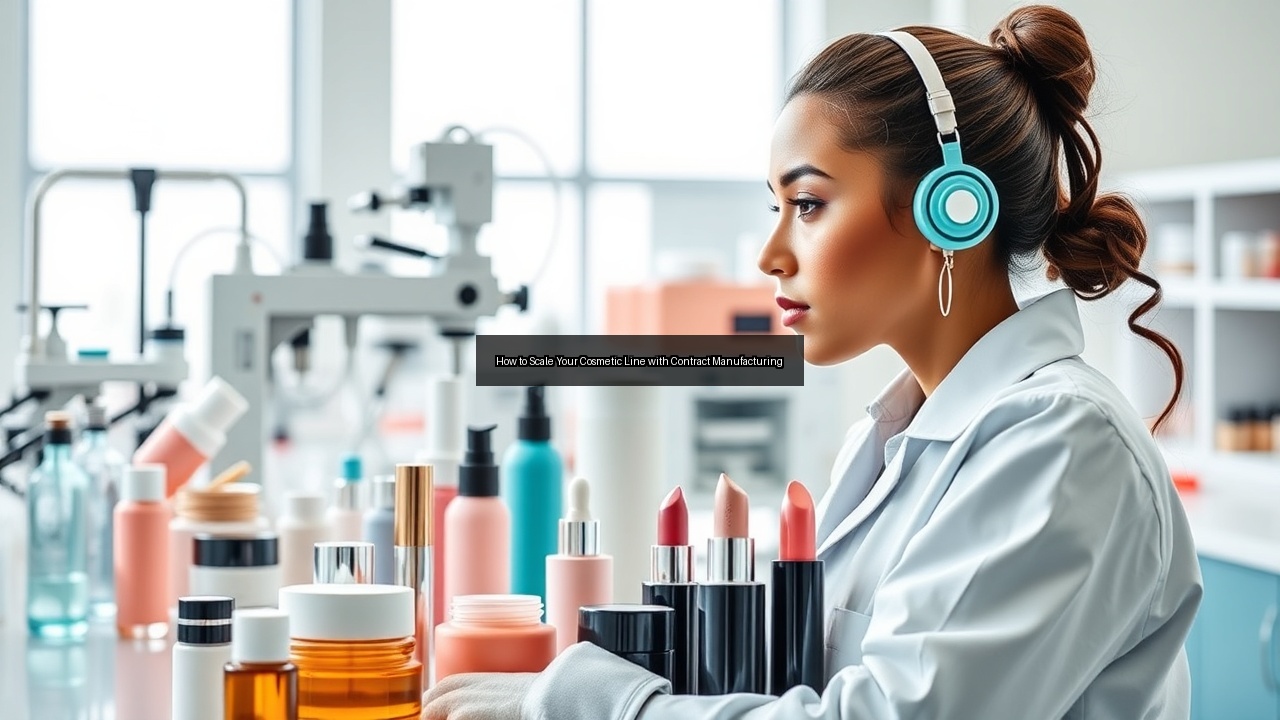
Understanding Contract Manufacturing in the Cosmetics Industry
What is Contract Manufacturing for Cosmetics?
Contract manufacturing in the cosmetics industry involves outsourcing the production of cosmetic products to specialized manufacturers. Brands that want to expand their product lines or streamline their production often turn to contract manufacturers for their expertise and resources. This partnership allows companies to focus on product development, marketing, and distribution while leaving the actual manufacturing process to experts who understand the complexities of creating high-quality cosmetics. Contract manufacturers handle everything from sourcing ingredients to packaging, ensuring that the end products meet industry standards and brand specifications.
Benefits of Partnering with a Contract Manufacturer
Partnering with a contract manufacturer offers numerous advantages for cosmetic brands. First, it significantly reduces overhead costs associated with maintaining a production facility. Companies can save on labor, equipment, and facility maintenance while gaining access to advanced manufacturing technologies and expertise. Additionally, contract manufacturers often have established relationships with suppliers, enhancing ingredient traceability and ensuring consistent quality. This partnership also allows brands to scale their operations quickly, responding to market demands without the lengthy ramp-up time typically required for in-house production. Furthermore, leveraging a contract manufacturer’s knowledge of regulatory compliance helps brands navigate the complexities of FDA regulations efficiently.
Key Players in Contract Manufacturing Cosmetics
The contract manufacturing landscape in cosmetics comprises various players, including dedicated contract manufacturers, private label manufacturers, and hybrid models that combine both functions. Dedicated contract manufacturers focus solely on producing cosmetics for other brands, often offering tailored solutions to meet specific needs. Private label manufacturers create products under a brand's label, allowing companies to sell without investing in extensive research and development. Hybrid manufacturers provide a mix of services, including product development and manufacturing, catering to brands that want more control over their formulations. Understanding these players helps brands identify the right fit for their cosmetic product lines.
Navigating FDA Regulations and Compliance
Understanding FDA Regulations for Cosmetics
FDA regulations play a crucial role in ensuring the safety and efficacy of cosmetic products. Unlike pharmaceuticals, cosmetics do not require pre-market approval, but they must adhere to strict guidelines. Brands must ensure that their products are safe for consumer use and properly labeled. The FDA requires manufacturers to substantiate the safety of their ingredients, which emphasizes the need for thorough research and testing. Non-compliance can lead to product recalls, fines, or legal action, making it essential for cosmetic brands to partner with contract manufacturers who understand and implement these regulations effectively.
Ensuring Ingredient Safety and Traceability
Ingredient safety and traceability are paramount in the cosmetics industry. Brands must ensure that all components used in their skincare and makeup products comply with FDA regulations. Contract manufacturers help by maintaining detailed records of ingredients, sourcing, and testing procedures. This transparency not only builds consumer trust but also safeguards against potential liabilities. Brands should work closely with their contract manufacturing partners to establish stringent quality control measures, ensuring that every ingredient meets safety standards and can be traced back to its source. This level of diligence protects both the brand and its customers.
Achieving Conformity in Packaging and Labeling
Compliance with packaging and labeling regulations is vital for cosmetics brands. The FDA mandates that all cosmetic products bear specific information on their labels, including ingredient lists, usage instructions, and warnings. Contract manufacturers can assist brands in achieving conformity by ensuring that all packaging meets legal requirements and aligns with marketing strategies. Well-designed packaging not only enhances product appeal but also communicates essential information to consumers. By focusing on effective packaging design, brands can improve their market presence while ensuring compliance with FDA regulations.
Choosing the Right Contract Manufacturing Partner
Criteria for Selecting a Contract Manufacturer
Selecting the right contract manufacturing partner is pivotal for the success of a cosmetic line. Brands should consider several criteria when evaluating potential manufacturers. First, assess the manufacturer’s experience and expertise in producing cosmetics, particularly the specific categories, such as skincare or makeup. Look for certifications that indicate compliance with industry standards, such as Good Manufacturing Practices (GMP). Reviews and testimonials from other brands can provide valuable insights into a manufacturer’s reliability and quality. Additionally, consider their flexibility in adapting to your brand’s needs, whether it’s scaling production or accommodating unique formulations.
Evaluating Manufacturing Capabilities and Automation
Manufacturing capabilities and the level of automation play a significant role in determining the efficiency of production processes. Brands should evaluate a contract manufacturer’s equipment and technology to ensure they can handle the desired volume and complexity of cosmetic products. Automated systems can improve consistency and reduce production times, which is especially important when launching new skincare and cosmetic products. Inquire about the manufacturer’s approach to quality assurance, as robust testing protocols are essential for maintaining product integrity. The right partner will have the technological capabilities to support innovation while ensuring adherence to strict quality standards.
Assessing Cost and Quantity Considerations
Cost and quantity considerations remain crucial in the decision-making process for choosing a contract manufacturer. Brands must assess the overall cost structure, including production, packaging, and shipping. Understanding the minimum order quantities (MOQs) and pricing tiers can help brands identify a partner that aligns with their budget and growth projections. While lower costs can be tempting, prioritize quality and reliability to avoid potential pitfalls in product quality or delivery times. A transparent pricing model allows for better financial planning, ensuring that the partnership remains mutually beneficial as the brand scales.
Streamlining Your Cosmetic Line Production
Effective Logistics Management in Cosmetic Manufacturing
Logistics management is a critical component of successful cosmetic manufacturing. Efficient logistics ensure that ingredients are sourced, products are manufactured, and finished goods are delivered on time. Brands must work closely with their contract manufacturing partners to establish streamlined processes that minimize delays and reduce costs. This includes optimizing supply chain management, inventory control, and distribution strategies. Implementing real-time tracking technologies can enhance visibility throughout the production process, allowing brands to address issues promptly and maintain consistent product availability in the market.
Innovative Packaging Design for Skincare and Makeup Products
Innovative packaging design enhances the appeal of skincare and makeup products, influencing consumer purchasing decisions. Brands should collaborate with contract manufacturers to develop packaging that is not only visually appealing but also functional and compliant with regulations. Packaging must protect the integrity of the cosmetic product while providing essential information to consumers. Sustainable packaging options are increasingly important, as consumers seek eco-friendly products. A partnership with a contract manufacturer that prioritizes innovative packaging solutions can differentiate a brand in a competitive market.
Research and Development in Cosmeceuticals
Research and development (R&D) plays a vital role in the evolution of cosmeceuticals, the hybrid category that bridges cosmetics and pharmaceuticals. Brands seeking to innovate must invest in R&D to create effective formulations that address specific skin concerns. A contract manufacturing partner with strong R&D capabilities can facilitate the development of unique skincare products that stand out in the market. This collaboration allows brands to leverage scientific advancements and consumer insights, resulting in formulations that deliver proven results. Continuous innovation in R&D keeps brands relevant and competitive in an ever-changing cosmetics landscape.
See Also
- Why Traceability Matters in the Cosmetics Supply Chain
- Navigating FDA Regulations in Cosmetic Contract Manufacturing
- Future Trends in Skincare and Cosmetic Contract Manufacturing
- The Impact of Market Research on Cosmetic Manufacturing Success
- Navigating the Complex Landscape of Cosmetic Manufacturing Regulations