The Science Behind Neoprene Elastomeric Mounts and Their Shear Resistance
Understanding Neoprene Elastomeric Mounts
What are Neoprene Elastomeric Mounts?
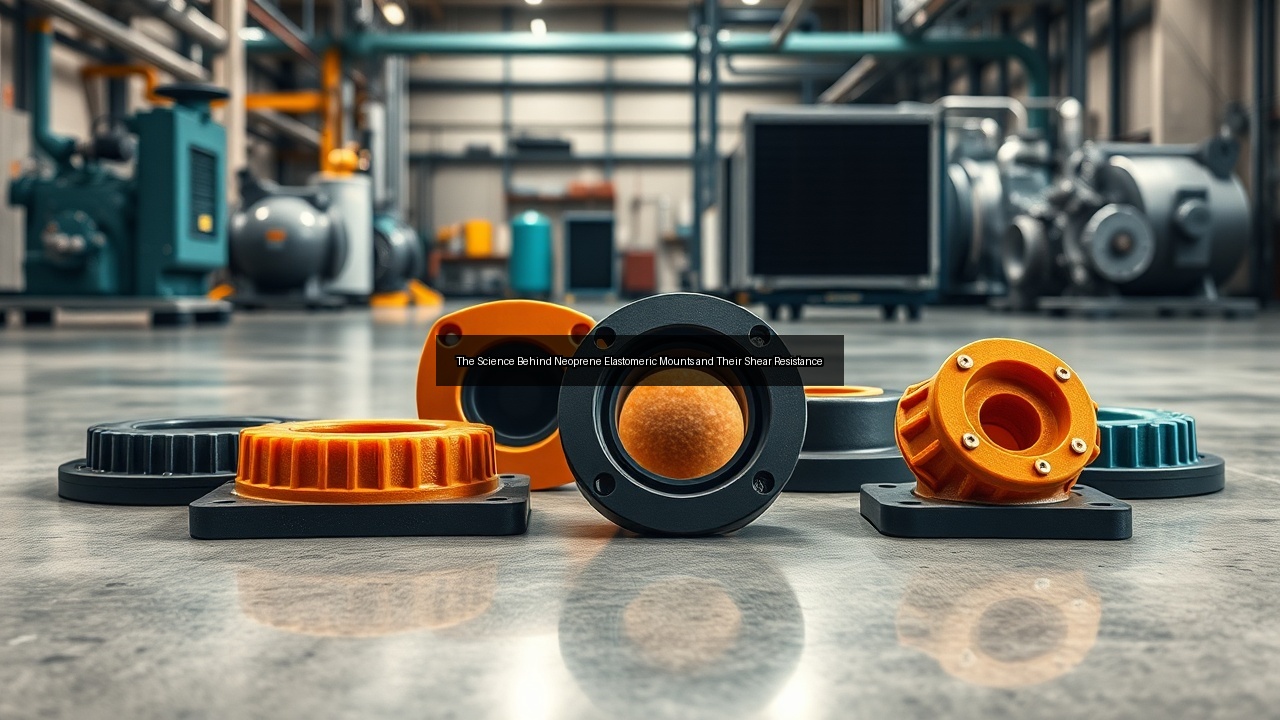
Neoprene elastomeric mounts combine synthetic rubber with metal reinforcements to create durable supports that absorb energy from moving equipment. Manufacturers bond layers of neoprene between steel plates in a sandwich configuration that distributes loads evenly. This design allows the material to flex under force while maintaining structural stability. In practice, these mounts handle both vertical compression and lateral movement without permanent deformation. Engineers select specific durometer ratings based on expected loads and operating speeds measured in rpm. The result delivers consistent performance across temperature ranges common in mechanical rooms. HVAC neoprene mounts appear in many installations because the material resists oils and weathering that degrade other rubbers over time.
The Role of Neoprene in HVAC Systems
HVAC systems rely on neoprene components to separate rotating machinery from building structures. Compressors and fans generate forces that travel through rigid connections and create noise in occupied spaces. Neoprene inserts break that path by converting kinetic energy into heat within the polymer matrix. Technicians position these mounts under air handlers and chillers to limit transmission to the floor below. The material also accommodates thermal expansion in tubings and ductwork without transmitting stress. When properly specified, neoprene maintains isolation effectiveness across seasonal temperature swings. Facility managers notice quieter operation and fewer complaints from tenants once these mounts replace rigid steel supports.
Types of Neoprene Mounts Used in HVAC
Common configurations include neoprene pads, neoprene hangers, and neoprene isolation mounts. Pads sit directly under equipment bases and work well for moderate loads. Hangers suspend piping and duct sections from structural steel while allowing some movement. Isolation mounts incorporate threaded studs or bolt holes for secure attachment to both equipment and floor anchors. Some versions feature self adhesive backing that speeds installation on clean surfaces. Sandwich-style mounts add metal plates on both sides of the neoprene layer to increase load capacity. Each type addresses different vibration frequencies produced by motors running at varying rpm levels. Selection depends on equipment weight, deflection requirements, and available space.
Mechanics of Shear Resistance
Defining Shear Resistance in Elastomeric Materials
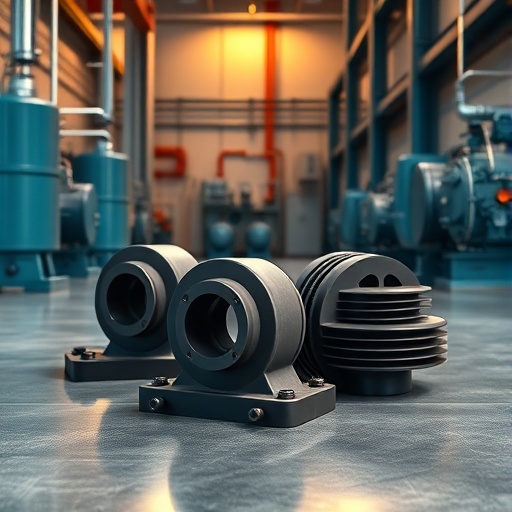
Shear resistance describes an elastomeric material's ability to withstand forces applied parallel to its bonded surfaces. In neoprene, polymer chains slide and stretch under lateral load before returning to original shape. This property prevents the mount from tearing when equipment shifts sideways during startup or shutdown. Laboratory tests measure shear modulus to predict behavior under real-world conditions. Higher shear resistance allows thinner profiles without sacrificing stability. Neoprene formulations achieve this balance through controlled cross-linking during vulcanization. The resulting mounts maintain integrity even when exposed to continuous cycling from compressor operation.
How Shear Resistance Influences Vibration Isolation
Effective vibration isolation depends on the mount's capacity to move in shear without transmitting force to the supporting structure. When shear resistance matches the frequency of disturbing forces, energy dissipates rather than amplifies. HVAC neoprene mounts tuned for specific rpm ranges reduce transmission to the floor and adjacent walls. Insufficient shear stiffness causes excessive deflection and possible contact with stops or snubbers. Excessive stiffness short-circuits the isolation path and allows vibration to reach the building frame. Proper engineering balances these factors so the system operates quietly across its full speed range.
Factors Affecting Shear Resistance in Neoprene
Temperature, load duration, and compound formulation all modify shear performance. Neoprene stiffens in cold conditions, which can increase shear resistance but reduce deflection. Prolonged static loads cause creep that gradually alters the mount's geometry. Additives such as carbon black improve tear strength and shear modulus while maintaining flexibility. Exposure to ozone or certain chemicals can embrittle the surface and lower effective shear capacity over years of service. Designers account for these variables by specifying compounds rated for the actual environment, including areas near belt drives or clutches that generate heat.
Application in HVAC Systems
Integration of Neoprene Mounts with Compressors and Belt Drives
Compressors mounted on neoprene vibration isolators transmit far less energy to the floor slab. Belt drives add another source of vibration through pulley imbalance and belt slap. Engineers place neoprene mounts beneath motor bases and align them to accommodate slight movement without binding the belts. The mounts also isolate clutches that engage and disengage during operation. Proper placement prevents resonance that could damage gears or bearings. Technicians verify alignment after installation because even small offsets increase forces that the mounts must resist in shear.
The Importance of Vibration Isolators in HVAC Performance
Vibration isolator performance directly affects equipment longevity and occupant comfort. Uncontrolled vibration accelerates wear on bearings and seals inside compressors and fans. It also loosens fasteners and creates leaks in tubings connected to the unit. Neoprene mounts absorb these forces before they reach the building frame, preserving structural integrity. In large installations, the cumulative effect of many small reductions in transmitted vibration produces measurable improvements in overall system reliability. Regular inspection confirms that the mounts continue to function as intended throughout their service life.
Impact on Floor and Structural Integrity
Direct attachment of vibrating equipment to the floor creates stress concentrations that can crack concrete over time. Neoprene pads distribute loads across larger areas and reduce peak pressures. Shear movement within the mounts further limits the transmission of dynamic forces that fatigue reinforcing steel. In multi-story buildings, this isolation prevents complaints from lower floors when rooftop units operate. Structural engineers often require vibration isolation calculations during design to ensure long-term building performance. The modest added cost of quality neoprene mounts yields substantial savings by avoiding repairs to floors and supporting members.
Sustainability and Innovation in Neoprene Mounts
Eco-Friendly Alternatives to Traditional Neoprene
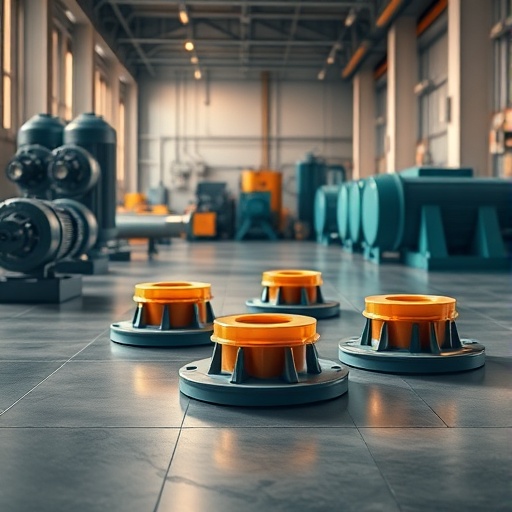
Manufacturers now offer neoprene compounds that incorporate recycled content without compromising mechanical properties. These versions maintain the shear resistance required for vibration isolation while reducing reliance on virgin petroleum feedstocks. Some facilities recycle worn mounts by grinding them into crumb rubber for other construction uses. The push toward sustainability also drives development of bio-based polymers that match neoprene performance in HVAC applications. End users benefit from products that meet environmental standards while delivering the same isolation effectiveness.
The Future of Neoprene in Truck and Trailer Applications
Trucks and trailers experience constant vibration from road surfaces that accelerates fatigue in cabs and cargo areas. Neoprene mounts adapted from HVAC designs now appear in vehicle suspension components and engine supports. Their superior resistance to oils and road chemicals extends service intervals. Shear performance remains critical when vehicles turn or brake, producing lateral forces on the mounts. Ongoing material improvements target lighter weight without loss of load capacity, supporting fuel efficiency goals across the transportation sector.
Advancements in Neoprene Technology for Enhanced Performance
Recent formulations improve resistance to compression set while preserving shear flexibility. Nano-scale reinforcements increase tear strength and allow thinner mount profiles for tight spaces. Self adhesive layers on some pads speed retrofit projects where drilling into the floor proves impractical. Testing protocols now simulate years of cyclic loading in weeks to validate new compounds before field deployment. These advances extend the useful life of HVAC neoprene mounts and reduce replacement frequency in demanding installations.
Choosing the Right Neoprene Mounts
Key Considerations for Selecting Neoprene Pads
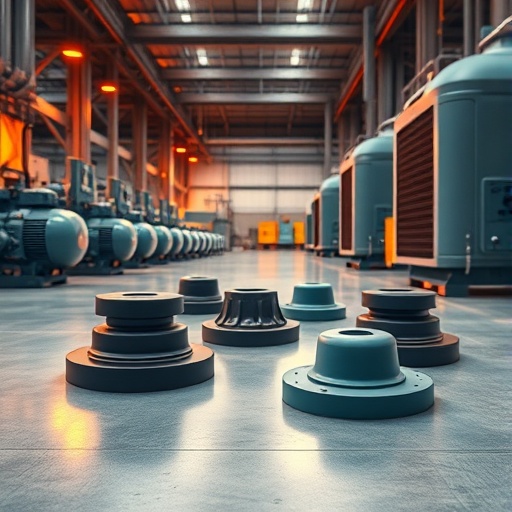
Load capacity, required deflection, and environmental exposure guide selection of neoprene pads. Engineers calculate total equipment weight and divide by the number of mounts to determine average load per point. They then choose a durometer that provides adequate deflection at that load while retaining shear resistance. Floor conditions, presence of oils, and temperature extremes further narrow options. Neoprene rubber pads with higher oil resistance suit compressor rooms where leaks may occur. Documentation from the manufacturer supplies deflection charts that simplify proper sizing.
Comparison of Neoprene Mounts vs. Other Vibration Isolation Solutions
Spring isolators offer greater deflection but require more maintenance and space. Foam products provide initial softness yet creep under sustained load and lose effectiveness. Neoprene mounts balance cost, durability, and performance for most HVAC applications. They resist degradation from ozone and temperature better than natural rubber alternatives. Compared with rubber pads lacking reinforcement, neoprene sandwich designs maintain alignment under side loads. Many specifiers choose neoprene vibration isolation mounts when longevity and consistent performance matter most.
Installation Tips for Effective Mounting
Level the equipment base before placing mounts to ensure even load distribution. Clean contact surfaces thoroughly when using self adhesive pads. Torque bolts to manufacturer specifications to avoid crushing the neoprene layer. Verify that no rigid connections bypass the mounts and create short circuits for vibration. After startup, measure vibration at the floor and equipment to confirm isolation effectiveness. Periodic checks detect settling or damage that could reduce shear performance over time. Proper installation maximizes the service life of HVAC neoprene mounts in any mechanical system.
See Also
- The Secret to Vibration Control in HVAC Systems Using Neoprene Isolators
- The Impact of Neoprene Vibration Pads on HVAC System Longevity
- Understanding the Role of Neoprene Pads in Reducing Noise in HVAC Units
- How Neoprene Isolation Mounts Enhance the Performance of Compressors
- Why Neoprene Mounts are Essential for Sustainable HVAC Solutions